

Vision 2030: Saudi Arabia reshapes logistics sector

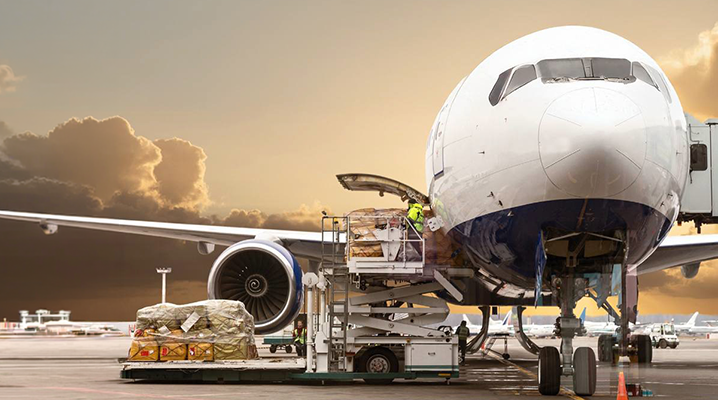
Saudi Arabia’s logistics sector witnessed a comprehensive transformation aimed at improving operational efficiency, enhancing integration across transport modes, and developing world-class infrastructure.
The logistics sector is a key pillar of Vision 2030, leveraging the Kingdom’s strategic geographic position linking three continents and overlooking major global maritime routes.
The aviation and air cargo sector has seen a fundamental shift under Vision 2030, evolving from a passenger and cargo transport channel into a strategic driver of economic diversification and a hub connecting the Kingdom regionally and globally.
Efforts to restructure the General Authority of Civil Aviation (GACA), alongside the launch of new carriers and initiatives, have supported ambitious goals, including handling 330 million passengers and 4.5 million tons of air cargo annually.
Passenger traffic through Saudi airports rose to 140.9 million in 2025, up 66% compared to 2016, while total flights increased to 980,400, marking a 38% rise over the same period.
Air cargo volumes reached 1.18 million tons in 2025, up 27% compared to 2016.
|
Passenger Traffic, Flights, and Air Cargo Volumes since 2016 |
|||
|
Year |
Passenger Traffic (mln) |
Flights (000’) |
Air cargo (000’ tons) |
|
2016 |
85 |
709 |
929 |
|
2017 |
92 |
741 |
942 |
|
2018 |
100 |
772 |
694 |
|
2019 |
103 |
750 |
665 |
|
2020 |
37 |
347 |
-- |
|
2021 |
49 |
491 |
580 |
|
2022 |
89 |
701 |
624 |
|
2023 |
112 |
815 |
918 |
|
2024 |
128 |
905 |
1200 |
|
2025 |
140.9 |
980.4 |
1180 |
The Air Connectivity Program (ACP) enabled 17 airlines to operate direct routes to and from Saudi airports, adding 69 new routes linking the Kingdom to global destinations, alongside more than 4.8 million additional seats.
Vision 2030 also set ambitious targets for the broader logistics sector, with railways playing an expanding role in integration. Rail operations have expanded, strengthening connectivity across regions, linking the north with central and eastern areas, and supporting passenger and freight transport.
Haramain High-Speed Train has accelerated progress, serving pilgrims and connecting Makkah, Madinah, Jeddah, and Rabigh.
Meanwhile, rail passenger numbers increased from 13 million in 2024 to over 14 million in 2025, while freight volumes rose from 28 million tons to more than 30 million tons over the same period.
|
Railways |
||
|
Metric |
Value / Statistic |
Notes |
|
SAR Rail Passengers (mln) |
+14 |
Up from 13 mln in 2024 |
|
Rail Freight (mln tons) |
+30 |
Includes goods and minerals |
|
Haramain High-Speed Train passengers (mln) |
9.6 |
Up from 143,000 in 2018 |
|
Inter-City Bus Passengers (mln) |
+96.8 |
As of 2025-end |
|
Riyadh Metro Passengers (mln) |
+150 |
Since launch to Nov. 2025 |
|
Riyadh Metro on-Time Performance |
99.70% |
High operational accuracy |
Saudi ports have also achieved significant advances in capacity and global connectivity, supporting supply chain resilience.
Port capacity increased by 50% to reach 24.3 million TEUs, while 101 new shipping services were added, linking Saudi ports to 12 international ports. The Saudi maritime fleet recorded the second-highest tonnage growth among G20 countries in 2025.
|
Saudi Ports |
||
|
Metric |
Value / Statistic |
Notes |
|
Total Containers Handled |
8.1 mln TEUs |
Up 27% |
|
Port Capacity |
24.3 mln TEUs |
Up 50% |
|
Shipping Services Added |
101 |
Links to global ports |
|
Port Privatization Investments |
+SAR 21 bln |
Across 16 contracts covering 8 ports |
|
Total Private Sector Investments |
+SAR 30 bln |
As of 2025-end |

Market Indices
About Us
Join Us

Comments {{getCommentCount()}}
Be the first to comment
رد{{comment.DisplayName}} على {{getCommenterName(comment.ParentThreadID)}}
{{comment.DisplayName}}
{{comment.ElapsedTime}}