

Petro Rabigh CEO: Market Volatility to persist in Q2 2026

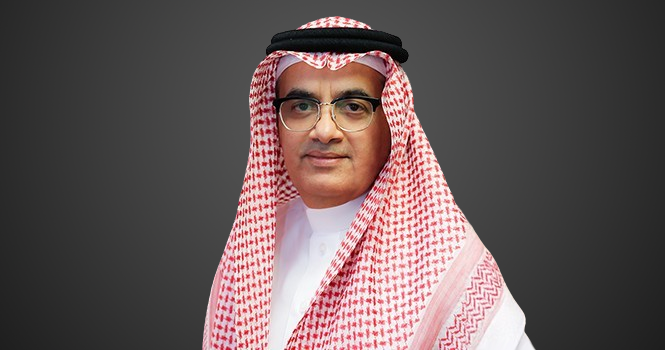
Othman Al-Ghamdi, President and CEO at Rabigh Refining & Petrochemical Co. (Petro Rabigh)
Othman Al-Ghamdi, President and CEO at Rabigh Refining & Petrochemical Co. (Petro Rabigh), expects market volatility to continue into the second quarter of 2026, driven by geopolitical factors. He noted that some products, such as refined petroleum products, may remain supported, while others could face pressure depending on supply and demand dynamics.
In an interview with Argaam, Al-Ghamdi said geopolitical developments in Q1 2026 heightened volatility in energy prices, freight rates, and supply chains. However, the company demonstrated strong operational resilience in navigating these challenges.
He added that the Rabigh complex’s location on the Red Sea provides a logistical advantage, improving access to global markets and easing supply chain pressures. This, along with operational readiness and effective risk management, has helped maintain stable operations and capture available opportunities.
The company relies on a diversified feedstock mix, including crude oil and ethane, sourced efficiently through Saudi Arabia’s integrated supply system.
Despite global challenges and higher shipping costs, Petro Rabigh has not experienced any major supply disruptions. Infrastructure such as the East-West pipeline and ports has supported continuity of operations at high utilization levels.
Below is the full interview with Petro Rabigh’s CEO:
Q: The company reported a profit of SAR 1.47 billion in Q1 2026, versus a loss of SAR 691 million a year earlier. What drove this turnaround?
A: The improvement reflects disciplined execution of the transformation program launched several years ago, rather than a one-off factor. The program focuses on four pillars: enhancing reliability and operational efficiency, restructuring the balance sheet, improving financial performance, and shifting toward higher-value products.
Completion of last year’s major turnaround improved plant readiness and stability, while the capital restructuring significantly reduced debt and addressed part of the accumulated losses.
We also benefited from our strategic Red Sea location and the integration of the complex, which allowed us to capture improving market conditions.
Overall, the turnaround is the result of structural improvements in performance, stronger margins, and better utilization of our assets. We are positioning the company on a sustainable profitability path.
Q: To what extent did geopolitical developments affect performance in Q1? Did the Red Sea location help mitigate the impact?
A: Geopolitical developments increased volatility in global markets, including energy prices, freight, and supply chains. However, the company showed strong resilience in managing these challenges.
The Rabigh complex’s Red Sea location provides a key logistical advantage, enabling efficient and flexible access to global markets and easing supply chain and shipping pressures.
Operational readiness and effective risk management also helped maintain stable operations and capture opportunities despite the challenges.
Q: What are your main feedstock sources, and did you face any challenges during the quarter?
A: The company uses a diversified feedstock mix, primarily crude oil and ethane, sourced efficiently through Saudi Arabia’s integrated supply system.
Despite global challenges and higher shipping costs, we did not face any material supply disruptions. Advanced infrastructure, including the East-West pipeline and ports, ensured uninterrupted operations at high utilization rates.
Costs were affected to some extent by global volatility, but operational efficiency helped contain the impact.
Q: How did pricing trends affect margins?
A: Feedstock prices were volatile during the quarter, while refined products and some petrochemical prices saw relative improvement, driven by geopolitical factors and shifts in supply and demand.
This divergence supported refining margins, although petrochemical margins remained under pressure. The company offset much of this through optimizing its product mix and improving operational efficiency, supporting overall profitability.
Q: How would you assess demand for your products in Q1, and which regions stood out?
A: Demand was relatively stable, with improvements in some global markets driven by higher product prices and better margins.
We leveraged operational flexibility and our strategic location to redirect sales toward higher-return markets, maximizing profitability. While the geographic mix did not change significantly, there was greater focus on markets offering stronger margins.
Q: Accumulated losses declined to around 15%. How sustainable is this improvement, and what are your next steps?
A: The reduction in accumulated losses to around 14.77% reflects a meaningful improvement in the company’s financial position, supported by capital restructuring and stronger operating performance.
We view this improvement as sustainable, as it is underpinned by structural and operational enhancements, including higher efficiency, improved reliability, and stronger financial discipline.
Our strategy is to maintain positive cash flows and continue executing transformation initiatives and targeted investments, allowing us to gradually eliminate accumulated losses without the need for additional capital measures.
Q: What are your expectations for prices and demand in Q2 2026?
A: We expect market volatility to persist in the second quarter, driven by ongoing geopolitical factors affecting supply and logistics.
Some products may face pressure, while others—particularly refined products—are likely to remain supported, depending on market dynamics.

Market Indices
Quotes
About Us
Join Us

Comments {{getCommentCount()}}
Be the first to comment
رد{{comment.DisplayName}} على {{getCommenterName(comment.ParentThreadID)}}
{{comment.DisplayName}}
{{comment.ElapsedTime}}