

Al-Babtain Chairman says data centers, renewable energy fuel towers segment growth

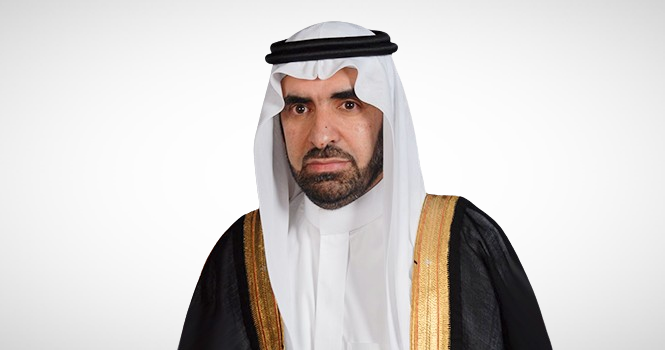
Al-Babtain Chairman Ibrahim Al Babtain says the company’s current contracts exceed SAR 2.5 billion.
Al-Babtain Power and Telecommunication Co.’s strong Q1 2026 results were driven by improved profit margins, higher sales volumes and management efforts to enhance efficiency and reduce operating costs, Chairman Ibrahim Al Babtain told Argaam.
He said the company’s current contracts exceed SAR 2.5 billion, adding that Saudi Energy’s (formerly Saudi Electricity) plans are a key indicator of growing demand in the towers and steel structures segment, amid the Kingdom’s plans to expand the transmission and distribution network through 2030.
The Chairman noted that demand is supported by several factors, including the expansion of data centers, renewable energy projects, industrial and economic growth, as well as rising electricity consumption.
Al Babtain added that Saudi Arabia’s target to reach 1.5 gigawatts (GW) of data center load by 2030 will support electricity grid expansion over the coming years.
He pointed out that the integration of renewable energy capacity into the Kingdom’s power grid accelerated, rising from 6.6 gigawatts in 2024 to nearly 12.3 gigawatts by the end of 2025, in line with the target of generating 50% of electricity from renewable sources by 2030. This will boost long-term demand for transmission solutions and steel structures.
Al Babtain said the Saudi market remains the main growth driver for the towers sector, while the company sees structural growth opportunities in Egypt driven by plans to increase the share of renewable energy to 42% by 2030 and 60% by 2040. Additionally, the North African country has a $2 billion investment program to discharge and transmit nearly 2.1 GWs of renewable energy from the Gulf of Suez and the Red Sea.
He added that Egypt’s geographic location supports opportunities for electricity interconnection across three continents.
Regarding the poles and lighting segment, Al Babtain said major infrastructure projects linked to Saudi Vision 2030, including King Salman Park, the 2034 FIFA World Cup, Sports Boulevard, King Salman International Airport, and Expo 2030 Riyadh, as well as projects in Diriyah Gate, Qiddiya, and AlUla, are major growth drivers, as lighting works typically follow core infrastructure development stages.
He said that local content requirements provide domestic companies with greater opportunities to benefit from these projects.
The Chairman added that the renewable energy segment is facing near-term pressure on revenue and profitability due to competition.
However, the segment’s structural drivers in the Kingdom are expected to support future performance improvement, with renewable energy projects totaling 64 GWs being launched, nearly 12.3 GWs integrated into the grid by the end of 2025, and a target to integrate around 40 GWs of solar photovoltaic energy by 2030, supporting recovery and growth opportunities over the medium and long term.
On the company’s dividend policy, Al Babtain said dividend decisions are linked to the company’s expansion plans and cash flow availability.
He stated that the board reviews the matter annually, in coordination with executive management, to make an appropriate decision, stressing the company’s commitment to continuing cash dividend distributions in line with shareholders’ expectations.
According to data available with Argaam, Al-Babtain’s net profit rose 62% to SAR 143.3 million in Q1 2026, compared to SAR 88.2 million in the year-earlier period.

Market Indices
Quotes
About Us
Join Us

Comments {{getCommentCount()}}
Be the first to comment
رد{{comment.DisplayName}} على {{getCommenterName(comment.ParentThreadID)}}
{{comment.DisplayName}}
{{comment.ElapsedTime}}