
Cherry CEO says Chinese car expansion tied to economic feasibility

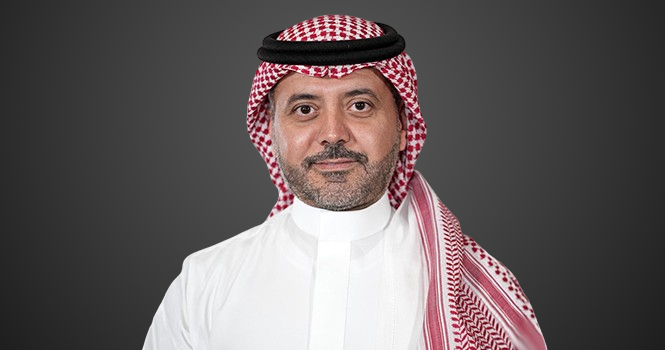
Cherry Trading CEO Abdulaziz Alsowail says Chinese vehicles still account for less than 1% of the company’s total fleet
Cherry Trading Co.’s CEO Abdulaziz Alsowail said the rapid expansion of Chinese automotive brands has started reshaping the dynamics of Saudi Arabia’s used-car market, with implications for pricing levels and resale speed for some models.
In an interview with Argaam, he said Chinese vehicles still account for less than 1% of the company’s total fleet, noting that any future expansion will remain tied to their ability to generate strong residual values and economic viability that supports asset profitability.
Cherry posted a strong start to 2026, reporting net profit of SAR 18.4 million in Q1, up 19% from SAR 15.5 million in the year-earlier period.
Earnings per share (EPS) rose to SAR 0.61 from SAR 0.52 in Q1 2026, while revenue climbed 46% year-on-year (YoY) to SAR 148.4 million, supported by growth across all key operating segments.
Alsowail also discussed the company’s branch expansion plans, occupancy growth rates, and contract developments.
Interview excerpts
Q: How much did the occupancy rates for short-term rentals and long-term leases grow in Q1 2026 compared to the same period in 2025?
A: During Q1 2026, the company focused on strategic fleet investment and preparing for future growth, rather than prioritizing short-term utilization increases.
In the long-term lease segment, revenue rose 12% year-on-year (YoY) to SAR 98.5 million. More than 1,000 vehicles exited the operating fleet during the quarter following contract expirations and were sold through the used-car division, generating SAR 44.2 million in revenue and SAR 7 million in disposal gains, as part of the company’s fleet lifecycle management strategy.
In the short-term rental segment, revenue also increased 12% YoY to SAR 5.8 million, supported by fleet expansion and new branch openings. Occupancy rates were temporarily affected by regional geopolitical conditions that weighed on demand during the period. The company expects occupancy and revenue to improve starting Q3 2026, supported by new contracts.
Q: What was the value of new and renewed contracts with existing clients in the long-term lease segment during Q1 2026?
A: The long-term lease segment continued to deliver strong operating growth in Q1 2026, with segment revenue rising 12% YoY to SAR 98.5 million, supported by new contracts and renewals, particularly with government and semi-government entities that provide stable cash flows.
Following the end of the quarter, the company secured two major contracts in April: a three-year contract with Riyadh Municipality worth approximately SAR 61.4 million to lease 922 vehicles and another SAR 30.2 million contract with the Saudi Food and Drug Authority (SFDA) to lease 275 vehicles.
The combined value of the two contracts reached approximately SAR 91.6 million, covering 1,197 vehicles, enhancing revenue visibility for upcoming periods and reaffirming the company’s competitive position in the government leasing sector.
Q: What was the volume of used-car sales during Q1? How much did they contribute to profitability? What are your fleet expansion targets this year?
A: The used-car sale segment was among the key contributors to Q1 2026 results. Segment revenue surged 403% to SAR 44.2 million from SAR 8.8 million in Q1 2025, driven by a higher number of vehicles exiting long-term lease contracts.
The segment also generated gross profit of SAR 7 million, reflecting the company’s efficiency in fleet procurement, maintenance, and disposal management.
Regarding expansion, the company invested SAR 122.6 million in adding new vehicles in Q1 2026, up from SAR 62.3 million in Q1 2025, a 97% increase.
Total fleet-related properties and vehicles stood at SAR 1.42 billion as of March 31, 2026.
The company continues to pursue a disciplined expansion strategy based on demand and return on assets, rather than volume-driven growth disconnected from revenue generation.
Q: How many rental branches did the company operate by the end of Q1? What is your target for 2026?
A: The company operated 25 daily rental branches across the Kingdom by the end of Q1 2026.
During 2026, the company targets opening five new branches, two of which have already opened, with the remaining scheduled to open in the second half of the year.
Expansion plans are based on demand studies and selecting locations with strong operating feasibility, alongside strengthening digital channels to enhance customer experience and improve operational efficiency.
Q: The board recently recommended paying 5% cash dividend for 2025. What is the company’s dividend policy?
A: The board recommended cash dividends for 2025 at SAR 0.50 per share, representing 5% of the company’s SAR 300 million capital, with total distributions amounting to SAR 15 million. This marks the company’s first cash dividend recommendation since listing on the Saudi Exchange.
The company’s dividend policy is based on balancing three key pillars: generating sustainable shareholder returns, supporting fleet, branch and operational expansion plans and maintaining a balanced liquidity and financing position.
Dividend decisions are assessed annually based on cash flows, investment needs, financing obligations, and long-term strategic plans.
The company remains committed to delivering sustainable shareholder growth through a balanced mix of operational expansion and sustainable dividends.
Q: What percentage of your fleet consists of Chinese vehicles? How do you assess the profitability and performance indicators of this category?
A: Chinese vehicles currently account for less than 1% of Cherry’s total fleet and therefore do not represent a material component of the company’s assets at this stage.
We continue to monitor developments among Chinese automotive brands globally and locally, as several Chinese manufacturers have achieved notable progress in recent years in terms of quality, reliability, and technology. They are also gaining a stronger presence in the Saudi market.
The company continuously evaluates the performance and profitability of all brands within the fleet. Any future move to increase exposure to Chinese vehicles will remain linked to their ability to maintain competitive residual values, strong customer demand, and overall economic viability throughout the asset lifecycle, in line with the company’s return-on-assets targets.
At present, our priority remains enhancing the efficiency and profitability of the existing fleet and directing investments toward vehicle categories and brands that maintain strong resale values and low maintenance and operating costs, supporting sustainable returns and asset efficiency.
Q: Have Chinese vehicles affected used-car sales in the market?
A: Yes, we are generally witnessing gradual changes in the dynamics of the used-car market amid the growing expansion of Chinese brands in Saudi Arabia. This is a natural development given the increasing choices available to consumers and the higher supply across certain segments.
This may affect pricing levels and resale speed for some models over the medium term.
However, many brands — particularly Japanese manufacturers — continue to maintain strong demand and healthy resale values in the Saudi market, supported by historical factors such as reliability, availability of spare parts, and consumer trust.
For our part, we manage these shifts through a conservative operating and investment policy, focusing on vehicles with stable performance indicators and solid resale values, while continuously monitoring market developments and demand trends to preserve fleet quality and profitability over the long term.

Market Indices
Quotes
About Us
Join Us
Comments {{getCommentCount()}}
Be the first to comment
رد{{comment.DisplayName}} على {{getCommenterName(comment.ParentThreadID)}}
{{comment.DisplayName}}
{{comment.ElapsedTime}}